 English
  日本語
日本語  한국어
한국어  français
  Deutsch
  Español
  italiano
  русский
  العربية
  Türkçe

Jul 16, 2025
Backdraft dampers are essential components in HVAC systems, providing control and prevention for airflow under certain conditions. They're used to prevent reverse airflow in ducts or ventilation systems, ensuring improved efficiency and air quality. By understanding the definition, types, installation processes, advantages, disadvantages, and maintenance of these dampers, you can better manage your HVAC system's performance and lifespan. This article will guide you through these aspects, offering valuable insights into how backdraft dampers can be integrated with HVAC system components and how they compare with other AC accessories.
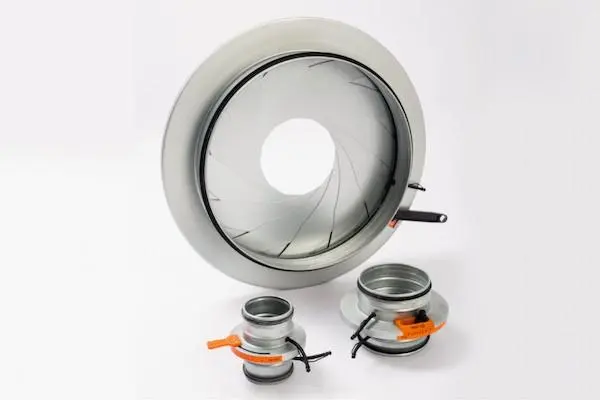
Backdraft dampers are devices used in HVAC systems to prevent a backwards flow of air through the HVAC duct components. They're designed to automatically close when there's a reverse air pressure to prevent unwanted airflow. The main function of a backdraft damper is to ensure air only moves in the intended direction, contributing significantly to energy efficiency and indoor air quality.
Function | Description |
Prevent Backflow | Stops air from reversing through ducts. |
Energy Efficiency | Maintains proper airflow, reducing energy usage. |
Air Quality | Ensures pollutants and contaminants don't enter the airflow. |

There are several types of backdraft dampers available, each designed to suit different HVAC system components and applications. Common types include butterfly dampers, multilayer dampers, and gravity dampers. Each type offers unique benefits depending on the system and installation requirements.
Type | Design | Application |
Butterfly Dampers | Dual blade system | High-pressure systems |
Multilayer Dampers | Multiple layered sheets | Low-pressure systems |
Gravity Dampers | Single blade system | Horizontal installations |
Installation Process
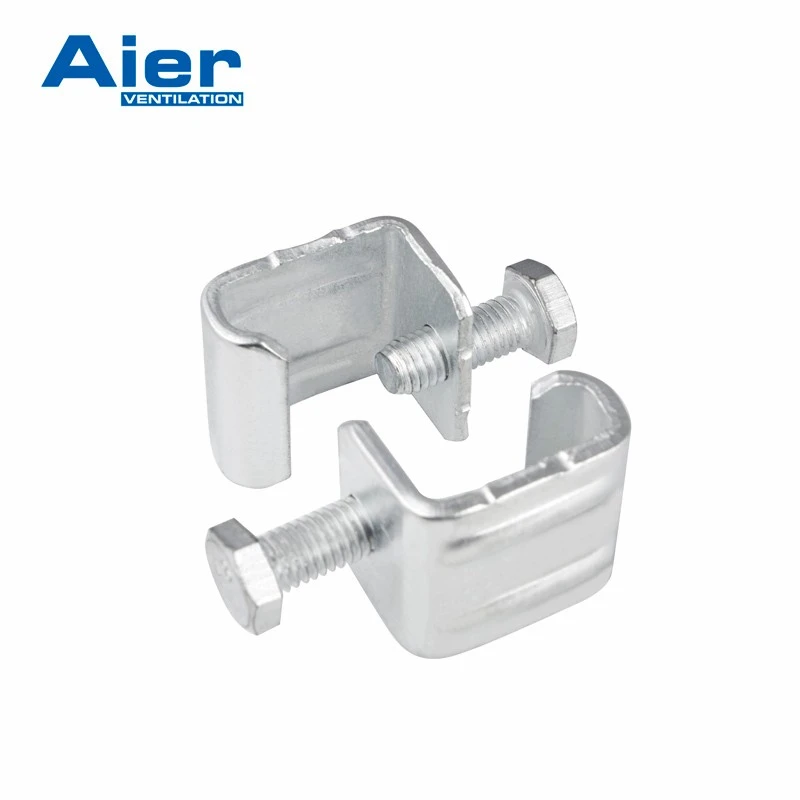
Installing a backdraft damper requires careful consideration of the system design and the specific parts of HVAC system involved. The installation process typically involves securing the damper within the desired section of ductwork using duct clamps or ductwork clamps, ensuring that the damper closes securely when reverse airflow is detected.
Key steps in the installation process include:
Identifying the correct duct section for damper installation.
Ensuring the damper is rated for the airflow and pressure of the system.
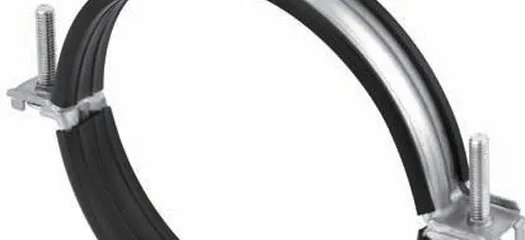
Securing the damper using appropriate pipe rubber clamp for stability.

Proper maintenance of backdraft dampers is crucial for ensuring their long-term functionality and performance. Regular inspections and cleaning can prevent mechanical failures and ensure they operate effectively within your HVAC system components. Here are some maintenance tips to follow:
Inspect dampers regularly for signs of wear or damage.
Clean the blades and housing to prevent buildup of debris that can affect performance.
Ensure moving parts are properly lubricated to maintain smooth operation.
Check fire rated access panels for signs of damage or wear.
Integrating backdraft dampers into your HVAC system can enhance both performance and efficiency. By considering these important aspects and implementing regular maintenance strategies, you'll optimize your system's operation and minimize potential issues.
References: