 English
  日本語
日本語  한국어
한국어  français
  Deutsch
  Español
  italiano
  русский
  العربية
  Türkçe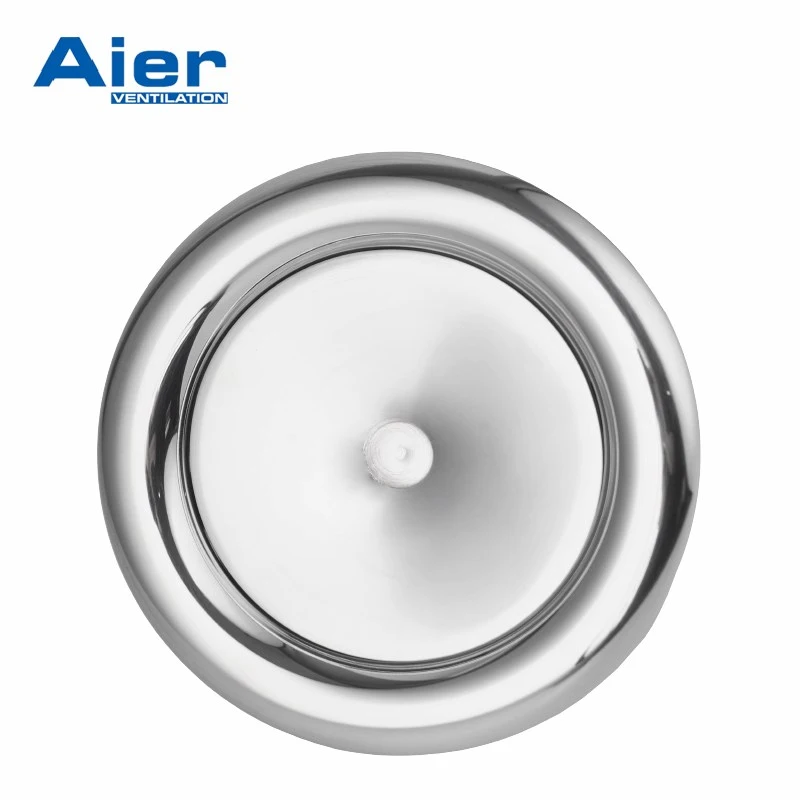
Jun 06, 2019
The HVAC system components are integral to the comfort and air quality of residential and commercial buildings. HVAC, an acronym for Heating, Ventilation, and Air Conditioning, encompasses several critical parts that work in harmony to regulate indoor environments. Whether you're a homeowner seeking to understand your new installation or a student of engineering looking at real-world applications, grasping the essentials of an HVAC system can enhance your appreciation of modern climate control. This article offers an in-depth look into the fundamental parts of HVAC systems, including various ac accessories such as aircon accessories, which are key in maintaining effective and efficient climate control. Additionally, we explore the significant role of access panels, ductwork access panels, and fire rated access doors in maintaining system integrity and facilitating routine maintenance tasks.
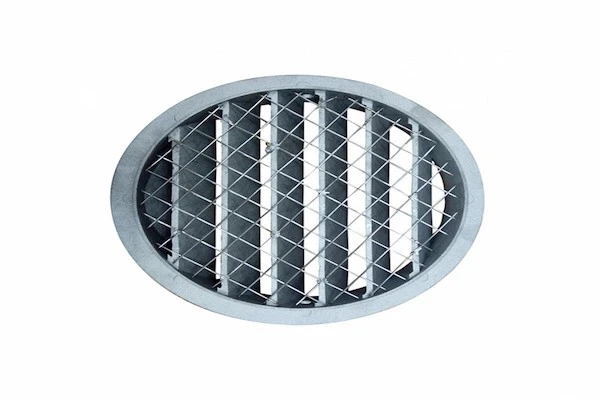
Understanding the basics of an HVAC system is essential for anyone interested in how these systems function. At their core, HVAC systems provide thermal comfort and acceptable indoor air quality within buildings. These systems come in various configurations, from centralized systems to split units like the home AC unit parts or split ring. The principal operations of HVAC systems involve the regulation of heating and cooling flows. Key components include the air handler, which houses essential parts like the hvac diffusers and ceiling diffuser that manage airflow distribution.
Central to HVAC systems are air conditioners and their air conditioner accessories and ac diffuser, all crucial in cooling operations. Additionally, anti vibration mounts and anti vibration rubber mounts are installed to ensure silent and smooth operation by reducing vibrational noise. Understanding these components not only helps in the efficient troubleshooting of issues but also in making informed decisions when investing in new systems. Most systems utilize a thermostat, directly connected to the central unit, to manage the system's output and regulate indoor temperatures.

To ensure a comprehensive understanding of HVAC systems, it's essential to delve into each key component and its specific function. The parts of HVAC system include numerous devices working collaboratively within varied climatic settings. Each part from air duct diffusers to fire rated access panels has a specified role engineered for optimal function:
Component | Function |
Heat Exchanger | The component that transfers heat between different fluids, crucial for heating spaces |
Condensing Unit | A part of the AC system's heat exchange process, often housed outside the building |
Thermostat | A control device that regulates the system's output by setting desired temperatures |
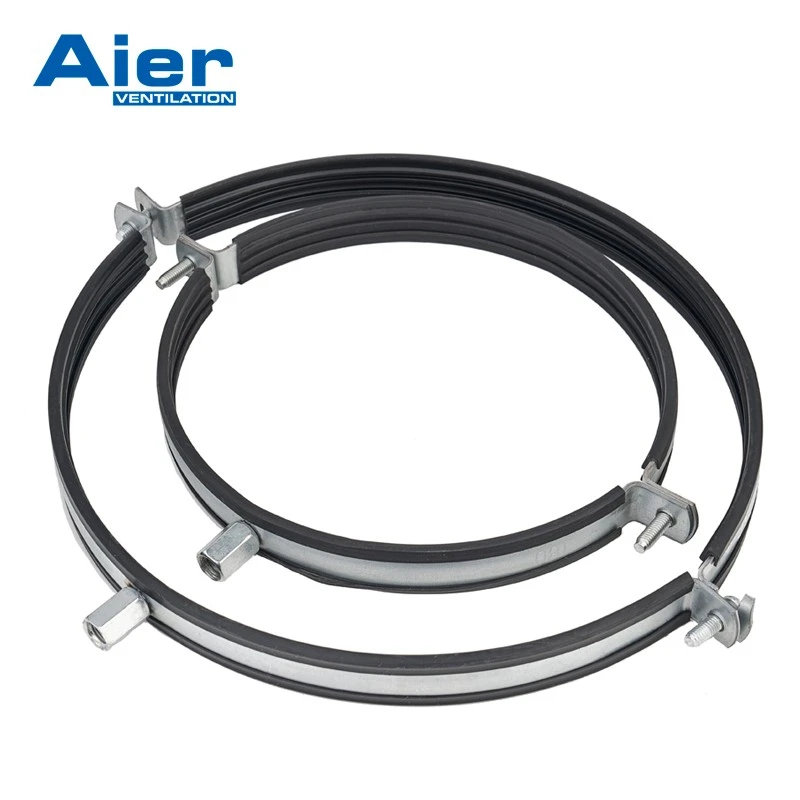
Ventilation Ducts | Channels that direct airflow from the system to your rooms, paired with ductwork clamps and duct clamps |
Filters | Devices that remove impurities from the air, essential for indoor air quality and factoring into hvac ceiling diffusers and ceiling air diffusers |
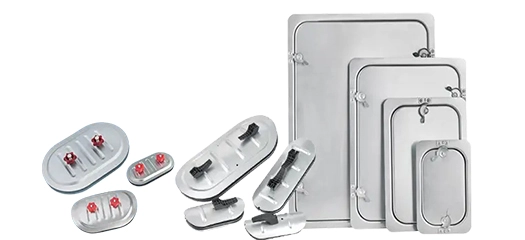
These individual components are supported by duct hanger systems and pipe rubber clamps that hold everything securely in place, ensuring efficient and uninterrupted service. A critical consideration for any HVAC system is the ease of access for maintenance or inspections; thus, access panels and fire rated access doors are crucial elements in system design.
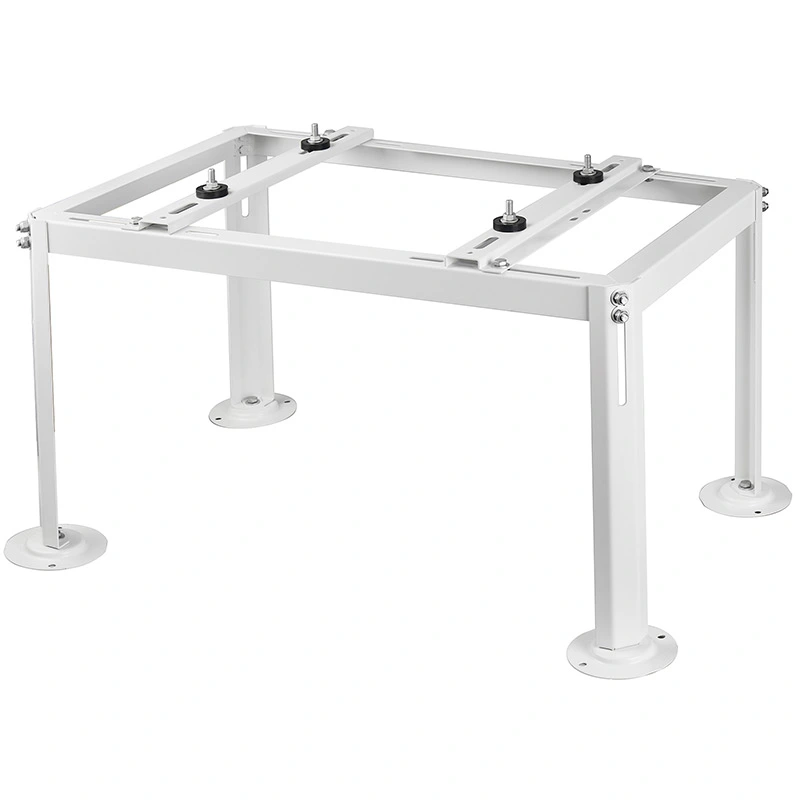
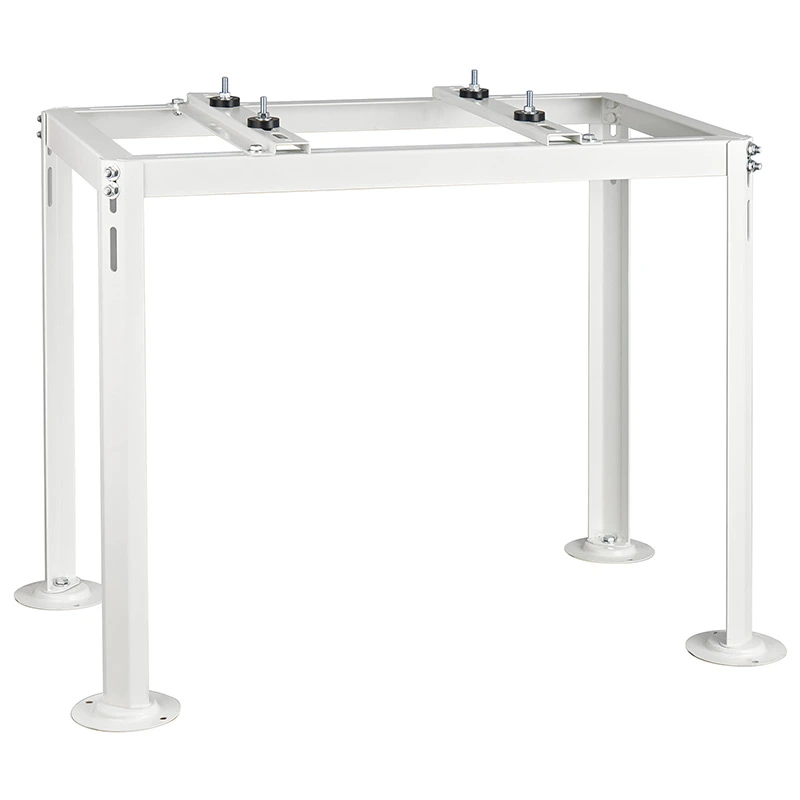
The effectiveness of an HVAC system hinges upon the smooth integration of its numerous components. Each hvac component is interrelated, performing distinct roles that together fulfill the system's purpose of providing climate control and air quality. For instance, the air conditioner brackets support external units, ensuring stability during operation. Similarly, effective room ventilation is achieved through the synchronization of ceiling vent diffusers and ductwork clamps, facilitating even air distribution.
Centralized systems employ access panels and ductwork access panels to simplify maintenance and inspection, enhancing serviceability and prolonging system lifespan. For larger installations, specialized elements such as pipe roof support and suspended ceiling diffusers are crucial for handling larger air volumes and facilitating efficient energy use.

The selection of materials in HVAC systems is critical for durability, cost-effectiveness, and operational safety. Components like ducts, clamps, and diffusers must withstand various environmental and mechanical stresses, necessitating the use of specific materials. For example, ductwork clamps often employ galvanized steel, offering superior strength and resistance to corrosion.
Meanwhile, the role of ceiling air diffusers is enhanced by using lightweight, rust-resistant materials such as aluminum, which facilitates easy installation and maintenance. Similarly, duct clamps and duct hanger assemblies are frequently manufactured from stainless steel or durable plastics, ensuring longevity and reliability.
Material choices also apply to hvac system components like anti vibration rubber mounts and corner clamps, where cushioning and stability are paramount for reducing noise and accommodating slight structural shifts.
Ongoing maintenance is crucial for the optimal functioning of HVAC systems. This includes regular inspection and servicing of ducts, cleaning of air conditioner accessories, and timely replacement of filters to enhance air quality and system efficiency. Having fire rated access doors ensures safety compliance while facilitating easier system checks.
Routine checks should cover the inspection of essential supports like roof brackets and duct hanger components, ensuring they remain intact and secure. Lubrication of moving parts and tightening of pipe roof support structures also extend the life span of the system while ensuring efficient operation. Furthermore, employing devices such as iris valves and jet nozzles in controlled environments can optimize airflow management, providing precision and adaptability in complex HVAC systems.
Emphasizing proactive maintenance through regular reviews and servicing not only prolongs the system's operational life but also ensures sustained performance, comfort, and safety.
Understanding the main components of HVAC systems and their interdependencies enriches our appreciation of the technology behind modern climate control solutions. From essential components like aircon accessories to supportive infrastructure such as ductwork access panels, each element plays a pivotal role in ensuring effective thermal management and air quality. Recognizing the importance of material selection and proactive maintenance is crucial for the sustained performance of these systems. By considering factors like access, flexibility, and environmental conditions, HVAC systems can be optimized for long-term efficiency. For those seeking dependable HVAC system components, ensuring quality through informed choices and regular upkeep guarantees not only comfort but also extends the functional life of these indispensable systems.