 English
  日本語
日本語  한국어
한국어  français
  Deutsch
  Español
  italiano
  русский
  العربية
  Türkçe


Oct 15, 2025
Access Doors play a crucial role in modern HVAC and ventilation systems, providing easy access for maintenance, inspection, and cleaning. For building managers, contractors, and HVAC professionals, understanding HVAC access doors ensures operational efficiency, compliance with safety standards, and long-term system performance.
Whether you are upgrading an existing system or planning a new installation, this article equips you with practical knowledge, helping you choose the right solutions from trusted access door company.
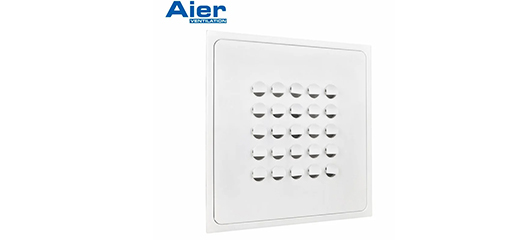
An access door is a specially designed access point in an HVAC duct or ventilation system that allows technicians to inspect, maintain, and clean the system efficiently. While similar to a panel door, a duct access door is typically more durable, airtight, and suitable for repeated use in demanding environments.
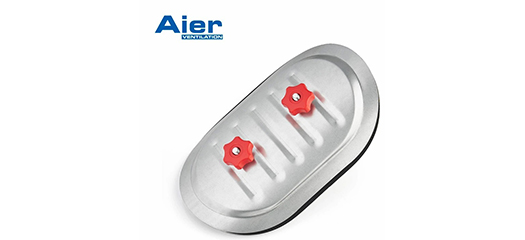
Durable Construction: Usually made from galvanized steel, aluminum, or stainless steel to resist corrosion and pressure.
Air-Tight Sealing: Equipped with gaskets or sealing strips to prevent air leakage.
Ease of Access: Hinged or removable panels allow quick and safe entry.
Compliance: Designed to meet fire, safety, and building regulations.
Duct access doors are essential for minimizing downtime in HVAC maintenance. Modern ventilation duct manufacturers provide duct access doors in standardized sizes and designs, ensuring that maintenance tasks are performed quickly without compromising airflow or energy efficiency.
By incorporating these access points, building owners and contractors can ensure safety, system longevity, and operational efficiency.
Installing a duct access door properly is crucial for maintaining airflow, energy efficiency, and system reliability. Below is a step-by-step guide:
Step 1: Select the Right Hatch
Choose a duct hatch that matches the duct size and type. Consider future maintenance access and compliance with building codes.
Step 2: Identify the Installation Location
Select a location that is safe, accessible, and convenient for maintenance personnel. Avoid obstructing airflow or placing hatches in areas with high structural limitations.
Step 3: Prepare the Duct
Measure and mark the opening accurately. Cut the duct with precision to prevent structural weakening. Rectangular ducts require square openings, while round ducts may require circular hatches.
Step 4: Secure the Hatch
Attach the hatch using screws, rivets, or welding, depending on the duct material. Ensure hinges and latches are properly aligned.
Step 5: Seal the Edges
Apply gaskets or sealant around the hatch edges to prevent air leakage. Proper sealing maintains energy efficiency and system integrity.
Step 6: Test Functionality
Ensure the hatch opens and closes smoothly, and the latch securely holds the panel. Conduct airflow tests if necessary to confirm efficiency.
Proper access door installation minimizes air leakage, reduces maintenance time, and ensures compliance with HVAC standards recommended by HVAC access door manufacturers.
For safety, accessibility, and optimal performance, duct access doors must meet several requirements:
Size and Accessibility: The opening should allow technicians to enter for inspection and cleaning.
Material Strength: Made from durable, corrosion-resistant materials like steel or aluminum.
Fire Safety Compliance: Must meet local fire-rating requirements if installed in fire-rated ducts, which can be satisfied by selecting a fire rated access door.
Air-Tightness: Gaskets and seals prevent energy loss.
Strategic Placement: Install in easily reachable locations without disrupting airflow.
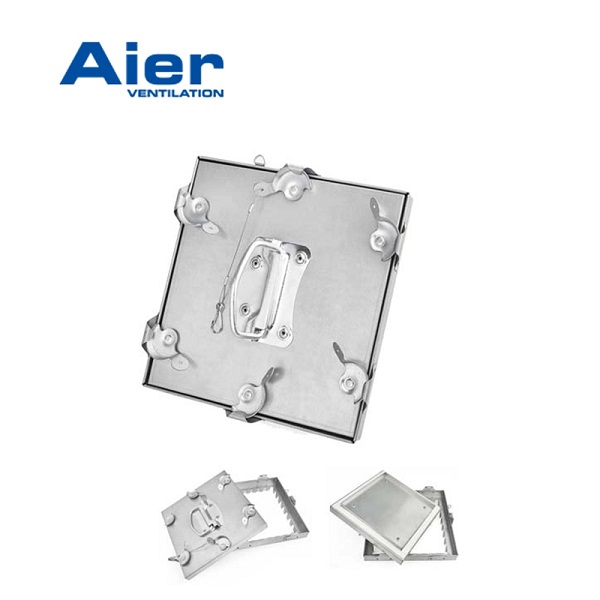
Adhering to these requirements ensures both regulatory compliance and long-term functionality. HVAC contractors often consult with ventilation duct manufacturers to source pre-fabricated access panel doors that meet these standards, reducing installation errors and improving efficiency.
Understanding different duct types is essential for selecting the appropriate access door solution, such as a rectangular access door, flat duct access door, or tabbed access door, depending on the duct structure and installation requirements.
Rectangular Ducts:
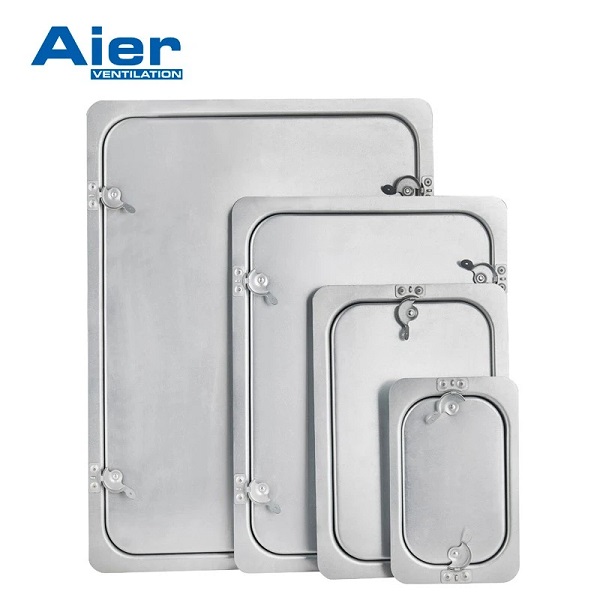
Widely used in commercial HVAC systems, these ducts feature flat surfaces that allow for easy installation of a rectangular access door or a flat duct access door. These access doors provide convenient maintenance entry while maintaining airtight performance.
Round Ducts:
Common in residential applications, round ducts typically require specially designed access solutions. While standard rectangular options are less suitable, adapted or curved access doors may be used to ensure proper sealing and accessibility.
Flexible Ducts:
Due to their structure, flexible ducts have limited capacity for full-size access doors. Instead, smaller inspection openings or lightweight solutions such as a tabbed access door (TAD) are often used, allowing quick installation without compromising duct integrity.
Q1: What is the access door in HVAC?
A: An access door in HVAC systems is a removable or hinged panel installed on ductwork, ceilings, or equipment housings to provide entry points for inspection, cleaning, maintenance, and repair. An HVAC access door allows technicians to safely reach internal components such as filters, coils, dampers, and fans without dismantling the entire system. It is essential for maintaining system efficiency, air quality, and regulatory compliance in commercial and industrial buildings.
Q2: What is the purpose of an access door?
A: The primary purpose of an access door is to provide safe, convenient, and repeatable access to concealed mechanical or electrical systems for servicing and inspection. In HVAC applications, an HVAC access door improves operational efficiency by reducing downtime during maintenance and helping ensure proper system performance over time. It also enhances safety by allowing controlled entry points rather than forcing full system disassembly.
Q3: Where are access doors required?
A: Access doors are required at points where maintenance, cleaning, or inspection is necessary. These include long duct runs, junctions, elbows, and near HVAC equipment connections.
Q4: What is the difference between a duct hatch and a panel?
A: A duct hatch provides full access for maintenance and cleaning, is airtight, and often fire-rated. A panel door is smaller, mainly for inspection, and may not provide full access.
Duct hatches are vital for maintaining HVAC system performance. Correct selection, installation, and compliance with requirements enhance energy efficiency, safety, and longevity.
By understanding the different duct types, installation steps, and regulations, building managers, contractors, and maintenance teams can ensure smooth HVAC operations. Partnering with trusted ventilation duct manufacturers guarantees high-quality access doors that are reliable, durable, and compliant with industry standards.
Implementing the right duct hatches reduces maintenance time, prevents energy loss, and supports a safer, more efficient ventilation system. With this guide, you now have the knowledge to select, install, and maintain duct hatches for optimal system performance.