
 English
  日本語
日本語  한국어
한국어  français
  Deutsch
  Español
  italiano
  русский
  العربية
  Türkçe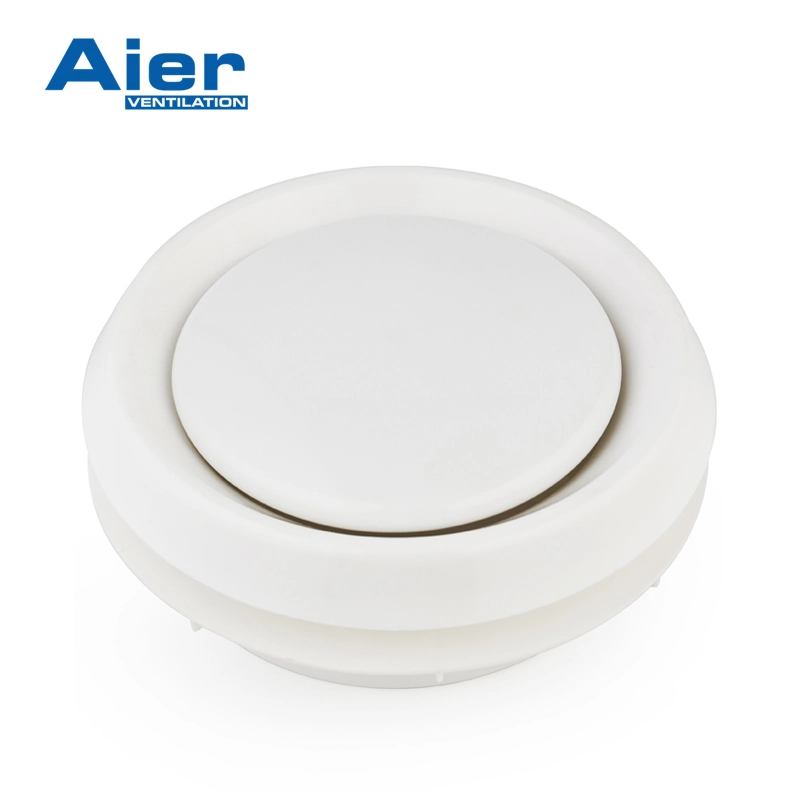

Feb 23, 2025
Understanding the components of an HVAC system can significantly enhance the performance and comfort provided by heating, ventilation, and air conditioning units. Among the various parts of HVAC systems, diffusers play a critical role in ensuring the effective distribution of air within a space. This article aims to educate readers on the functions, materials, designs, and challenges associated with HVAC diffusers. Whether you are recognizing the necessity for ceiling air diffuser solutions in commercial spaces or seeking to resolve issues with your home AC unit parts, this guide will equip you with the necessary insights.
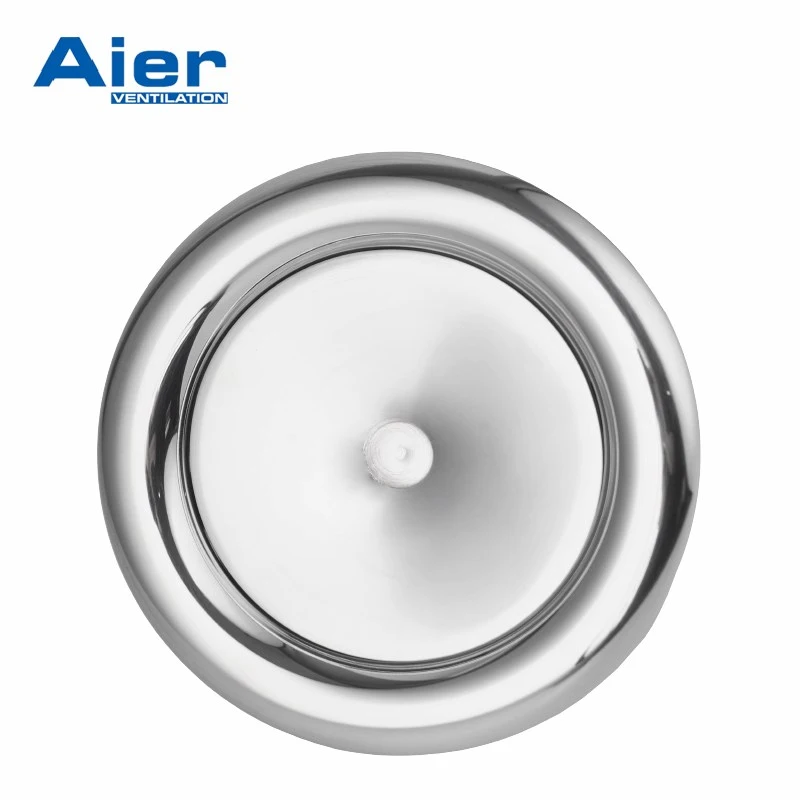
At its core, HVAC diffusers are designed to distribute and direct airflow from the system into the occupied space, ensuring comfort and efficiency. Diffusers are typically installed in ceilings, walls, or floors and primarily serve to spread air evenly throughout a room. Effective diffusing leads to improved air mixing, reduced drafts, and a more uniform temperature distribution across the environment. They help in optimizing the efficiency of HVAC system components by ensuring the delivery of conditioned air in a manner that aligns with the room design and occupancy.
Diffusers also aid in noise reduction within HVAC systems by minimizing the turbulence of air as it moves through the system. While they may appear simple, choosing the appropriate diffuser can significantly impact the comfort levels in a building, thus underscoring their importance among other HVAC system components.

The mechanism through which diffusers operate involves branching and directing airflow to achieve effective coverage. Air is forced through the hvac duct components and exits through the diffuser, creating a pattern that promotes even temperature and air mixing throughout a room. This is crucial in maintaining the desired comfort levels across different zones within a building.
Airflow Pattern | Description |
Radial | Distributes air uniformly in all directions |
Linear | Directs air along a straight path, useful in narrow or long spaces |
Jet | Projects air in a specific direction with force, ideal for high-ceiling areas |
The type of diffuser used can influence the airflow pattern, with HVAC jet nozzles often being employed in large commercial spaces to direct cool or warm air effectively over significant distances. On the other hand, ceiling diffusers typically use radial patterns for even air distribution in average-sized rooms.
Diffusers come in a range of materials and designs, each suited to specific applications and aesthetic desires. The choice of material affects the functionality, durability, and appearance of the diffuser. Here is a brief overview:
Material | Characteristics |
Aluminum | Lightweight, corrosion-resistant, often used in ceiling diffusers |
Steel | Strong, durable, preferred for high-traffic areas |
Plastic | Cost-effective, easily molded into various shapes, used in less demanding situations |
In terms of design, diffusers can be chosen to match interior aesthetics and can feature elements like suspended ceiling diffusers or ceiling vent diffusers designed to integrate seamlessly with modern architecture. The split ring design ensures ease of installation and maintenance, making it a popular choice among HVAC specialists.
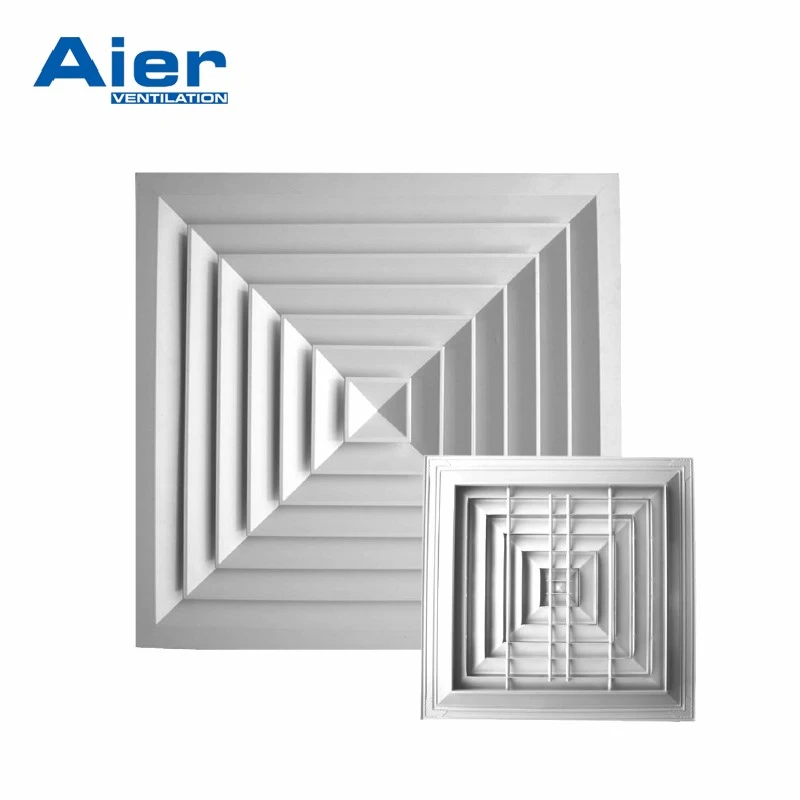
The choice of diffuser location is crucial to optimal performance. Common placement includes ceilings, walls, and floors, with the selection process guided by room design, intended airflow patterns, and aesthetic considerations. Ceiling installations are prevalent due to their ability to facilitate centralized air distribution, meeting the needs of both residential and commercial settings. Ceiling air diffusers and suspended ceiling diffusers offer versatility in these scenarios.
Specialized locations might utilize backdraft dampers to prevent reverse airflow and ensure effective air management. Areas that require sophisticated control might explore fire rated access panels in conjunction with their ductwork to safeguard against unforeseen air quality incidents, such as smoke or pollutant infiltration during emergencies.

Despite their efficacy, diffusers can encounter issues that may impair their performance. Some of the common problems include uneven airflow, noise, and aesthetic concerns due to dirt or defacement. Dust and blockages are notorious for causing inefficiencies, necessitating regular maintenance and checks.
Issue | Solution |
Uneven Airflow | Ensure proper sizing and placement of diffuser, inspect for obstructions |
Noise | Install anti-vibration mounts or anti vibration rubber mounts to reduce turbulence induced noise |
Dirt Accumulation | Regularly clean diffusers, use washable models where possible |
For installations where traditional diffusers are prone to performance issues, exploring advanced options like iris valves for precise airflow control can enhance operation. Additionally, integrating a duct access door can facilitate easy maintenance, ensuring long-term efficiency and function.
Understanding the role of diffusers in HVAC systems highlights their importance in delivering comfort and efficiency in both residential and commercial environments. From choosing appropriate materials and designs to addressing common issues, knowing how to optimize diffuser performance can lead to significant improvements in air distribution and energy use. Whether you're looking to upgrade your system with new ac accessories or seeking solutions for existing hvac duct components, this guide provides a comprehensive overview to aid in informed decision-making. Ensure your system's success by integrating superior aircon accessories with your existing framework, creating a more pleasant and energy-efficient environment.