 English
  日本語
日本語  한국어
한국어  français
  Deutsch
  Español
  italiano
  русский
  العربية
  Türkçe


May 26, 2025
An air ceiling diffuser plays a vital role in distributing conditioned air evenly across a room, ensuring comfort, energy efficiency, and optimal airflow. Whether you are installing a diffuser in ceiling for residential or commercial spaces, selecting the right vent diffuser ceiling can greatly improve air distribution.
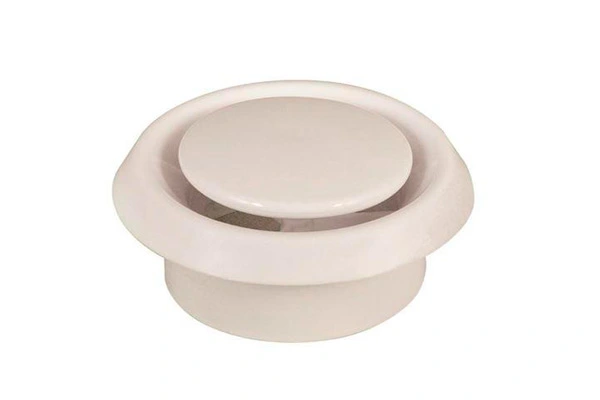
An air ceiling diffuser is a device installed in ceilings to distribute air from an HVAC system into a room. Unlike simple ceiling grilles, a diffuser controls the direction and flow of air, creating a uniform temperature and reducing drafts. Common types include:
Ceiling swirl diffuser: Creates a circular airflow pattern for even air distribution.
Linear slot diffuser: Provides directional airflow for larger rooms.
Perforated diffusers: Offer gentle, quiet air movement for offices or conference rooms.
The choice of ceiling diffuser in HVAC system affects comfort, energy efficiency, and noise levels in the space.
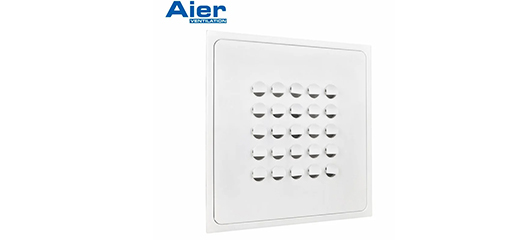
Air ceiling diffusers operate by directing conditioned air from ductwork into the occupied space. The diffuser blades or vanes spread the air across a wider area, which:
Reduces direct drafts on occupants
Improves mixing of conditioned air with room air
Helps maintain consistent temperature levels
Enhances HVAC system efficiency
A ceiling diffuser in HVAC system, for example, distributes air in a circular pattern, promoting better airflow and minimizing hotspots.
Installing an air ceiling diffuser is straightforward but requires attention to detail for proper performance:
Select the Location: Place diffusers near the center of the room or areas requiring uniform airflow. Avoid placing them too close to walls or obstacles.
Cut Ceiling Opening: Measure and cut a precise hole in the ceiling based on diffuser size.
Connect to Ductwork: Attach the diffuser to the HVAC duct securely.
Secure the Diffuser: Mount the diffuser with screws or clips according to manufacturer instructions.
Test Airflow: Adjust the vanes for optimal air distribution and ensure there are no drafts or turbulence.
Proper installation ensures maximum efficiency and comfort.
Selecting the right diffuser in HVAC system depends on room size, HVAC system design, and airflow requirements:
Ceiling swirl diffuser: Ideal for open spaces requiring uniform airflow.
Vent diffuser ceiling: Best for standard HVAC vents in offices or residential spaces.
Airflow capacity: Check the diffuser's CFM (cubic feet per minute) rating to match your system.
Noise level: Low-noise diffusers are preferred for conference rooms or bedrooms.
Adjustability: Look for diffusers with adjustable vanes to control airflow direction.
By choosing the appropriate ceiling diffuser, you ensure comfort, efficiency, and energy savings.
While air ceiling diffusers and ceiling grilles may look similar, they serve different purposes:
Air Ceiling Diffuser: Distributes air evenly, controlling direction and flow.
Ceiling Grille: Primarily covers duct openings; offers minimal airflow control.
Using a diffuser instead of a grille improves comfort, prevents drafts, and optimizes the HVAC system’s performance.
Regular maintenance ensures long-lasting performance:
Clean ceiling diffusers every 6–12 months to remove dust and debris.
Check for loose screws or clips and secure if necessary.
Inspect airflow and adjust vanes to maintain even distribution.
Proper maintenance improves indoor air quality, reduces HVAC energy costs, and prolongs the life of the system.
A ceiling diffuser distributes conditioned air evenly throughout a room to improve comfort, maintain consistent temperatures, and reduce drafts. Compared with a standard air vent, a ceiling diffuser is designed to optimize airflow patterns while minimizing noise. Aluminum ceiling diffusers are widely used in commercial buildings because they are lightweight, corrosion-resistant, and durable.
A round ceiling diffuser delivers supply air in a 360-degree pattern, creating uniform air distribution across the space. It helps eliminate hot and cold spots while improving HVAC efficiency. Round ceiling diffusers are commonly installed in offices, hotels, hospitals, and other commercial buildings where balanced airflow is essential.
An aluminum ceiling diffuser offers excellent corrosion resistance, lighter weight, and a longer service life than many steel or plastic alternatives. It also provides a modern appearance and requires minimal maintenance, making it a preferred choice for commercial HVAC applications and high-humidity environments.
The right ceiling diffuser depends on airflow volume (CFM), room size, ceiling height, HVAC system design, and the required air throw pattern. Round ceiling diffusers provide 360-degree airflow, while square ceiling diffusers are ideal for suspended ceiling systems. Proper selection improves comfort, efficiency, and indoor air quality.
Yes. A properly selected ceiling diffuser helps distribute conditioned air more evenly, reducing temperature stratification, minimizing drafts, and improving HVAC efficiency. Matching the diffuser to the system's airflow requirements also helps lower energy consumption and maintain a comfortable indoor environment.
Yes. Aluminum ceiling diffusers are widely used in offices, hospitals, schools, airports, shopping malls, and industrial facilities. Their lightweight construction, corrosion resistance, and reliable airflow performance make them suitable for both new construction and HVAC retrofit projects. Many models are also available in custom sizes, finishes, and airflow configurations.
Use diffusers to direct air evenly across the room. Adjust vanes to control airflow direction and avoid direct blasts onto occupants.
Place near the center of the room, in areas where airflow is needed most. Avoid corners or obstructed locations for best performance.
Air ceiling diffusers are essential components of modern HVAC systems, providing comfort, energy efficiency, and uniform airflow. When choosing a ceiling swirl diffuser, proper installation, selection, and maintenance are key to optimal performance.
For homeowners, contractors, and HVAC professionals, understanding how to choose, install, and adjust air conditioning diffusers ceiling ensures maximum comfort, energy savings, and air quality.